
Plastics For Environmental Protection Equipment Are Developing Towards Customized Manufacturing.
Aug 16, 2026
Leave a message
With the continuous development of industrial waste gas treatment, wastewater treatment, and chemical environmental protection engineering, different enterprises have put forward more specific requirements for the specifications, structure, and performance of environmental protection equipment. Plastic environmental protection equipment is also gradually developing towards customized manufacturing. Due to differences in the composition of media, processing air volume, operating temperature, and installation space in different production environments, conventional standard equipment may not fully meet actual needs. Therefore, plastic environmental protection equipment manufacturers are beginning to place greater emphasis on early communication, operating condition analysis, and structural design. Based on the technical requirements provided by customers, they are making reasonable adjustments to equipment dimensions, sheet thickness, pipe diameter, connection methods, and internal components to improve the compatibility of the equipment with the on-site process system.
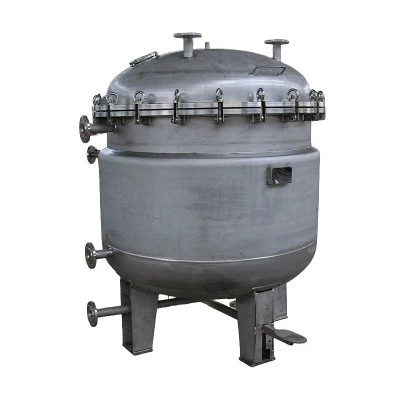
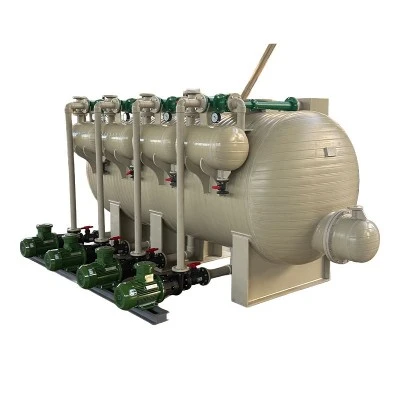
During the manufacturing process, plastic materials such as PP, PPH, PE, and PVC are used in the production of waste gas purification towers, liquid storage tanks, ventilation ducts, and wastewater treatment supporting equipment. For different projects, manufacturers need to select appropriate processing technologies based on material properties and operating conditions, and comprehensively consider the structural strength, welding quality, sealing performance, and installation methods of the equipment. For example, the diameter, height, and internal spray structure of large-scale waste gas purification towers need to be determined based on the air volume to be treated and the available space. Similarly, the specifications of plastic conveying pipes need to be determined based on the properties of the medium, pipe length, and connection requirements. For operating conditions involving corrosive media or special safety requirements, a material suitability assessment should be conducted in advance to avoid affecting the long-term operation of the equipment due to inappropriate material selection.
Customized manufacturing of plastic environmental protection equipment is not only reflected in product size and shape but also in manufacturing quality control and after-sales service. From design drawing confirmation and raw material inspection to equipment processing, welding assembly, and factory inspection, each step needs to be controlled according to project requirements. At the same time, the reasonable placement of inspection ports, drain outlets, and pipe interfaces facilitates subsequent cleaning, maintenance, and component replacement, reducing problems encountered during on-site installation and maintenance. For manufacturing companies, customized production requires corresponding design capabilities, processing experience, and quality management levels; it cannot simply be achieved by changing the equipment size to meet customer needs. In the future, as environmental protection projects continue to increase their requirements for equipment adaptability, operational stability, and ease of maintenance, plastics used in environmental protection equipment are expected to further develop towards personalized design, modular manufacturing, and refined quality management, providing equipment solutions that better meet the actual needs of different industrial scenarios.
Send Inquiry