

The Development Prospects Of Stainless Steel For Medical And Chemical Equipment
Aug 19, 2026
Leave a message
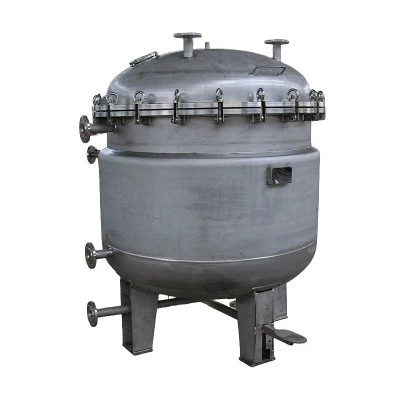
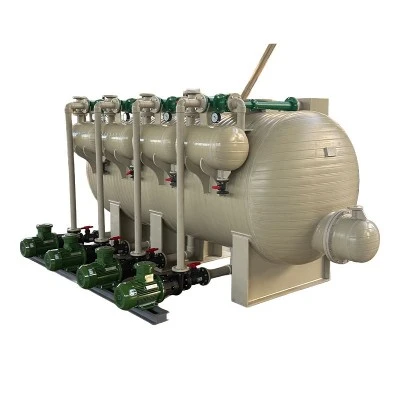
The development prospects of stainless steel in pharmaceutical and chemical equipment are closely related to the technological upgrades in industries such as pharmaceutical manufacturing, fine chemicals, biopharmaceuticals, and chemical processing. As manufacturers increasingly demand higher standards for equipment safety, corrosion resistance, and hygiene, stainless steel still has significant room for growth in equipment such as reaction vessels, mixing tanks, storage tanks, heat exchangers, and process piping. 304 and 316L stainless steels, with their superior mechanical properties, processing performance, and corrosion resistance, are common material choices in pharmaceutical and chemical equipment manufacturing. Among them, 316L stainless steel exhibits better pitting corrosion resistance than 304 in many chlorine-containing media environments, and is therefore often used in process equipment with high corrosion resistance requirements. However, specific material selection still needs to be determined based on the media composition, concentration, temperature, and cleanliness requirements. In the pharmaceutical production field, equipment must not only meet basic structural strength and sealing requirements but also consider internal surface smoothness, ease of cleaning, and contamination control. In the future, as production processes develop towards automation, continuous operation, and refinement, stainless steel in pharmaceutical and chemical equipment will place greater emphasis on the rationality of structural design, the stability of welding quality, and the cleanliness of the equipment's internal structure. By optimizing material selection, improving surface treatment processes, and enhancing manufacturing precision, the quality requirements of modern pharmaceutical and chemical production equipment can be further met.
Stainless steel for pharmaceutical and chemical equipment will gradually develop towards high-quality manufacturing, intelligent operation, and full life-cycle management. On the one hand, equipment manufacturers will place greater emphasis on welding process control, surface polishing, passivation treatment, and non-destructive testing to reduce weld defects, localized corrosion, and sealing failures, thereby improving the long-term reliability of equipment. On the other hand, with the application of automated control technology, real-time monitoring of parameters such as temperature, pressure, liquid level, and flow rate will be further integrated into the design of reaction and storage equipment, helping companies to promptly grasp the operating status and reduce equipment losses caused by abnormal operating conditions. For pharmaceutical production equipment with high cleanliness requirements, future attention will also be paid to sanitary structural design, cleaning validation, pipeline drainage capacity, and traceability of the production process. Simultaneously, the concept of green manufacturing will drive the development of stainless steel equipment towards extended service life, reduced material waste, and improved resource recycling rates. Since stainless steel production and processing still involve energy consumption, equipment manufacturers also need to reduce resource consumption by optimizing material preparation, improving processing efficiency, and standardizing waste recycling. Overall, the development of stainless steel for medical and chemical equipment depends not only on the material's inherent properties but also on manufacturing technology, process requirements, quality management, and industry standards. In the future, through a combination of optimized material applications, upgraded manufacturing processes, and intelligent management, stainless steel for medical and chemical equipment is expected to maintain its important position in the pharmaceutical and fine chemical industries, providing reliable support for the safety, stability, and standardization of production processes.
Send Inquiry