

Analysis Of The Industry Background And Significance Of Plastics in Environmental Protection Equipment
Aug 18, 2026
Leave a message
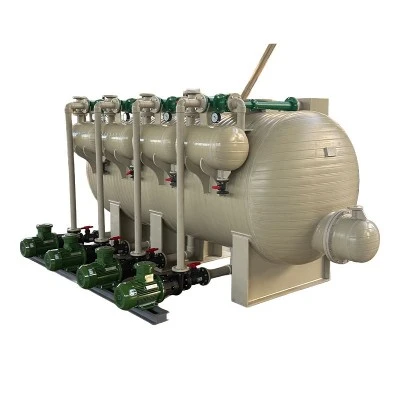
With the continuous expansion of industrial production, the demand for treating waste gas, wastewater, and corrosive media is constantly increasing, leading to the widespread application of environmental protection equipment in fields such as chemical engineering, pharmaceuticals, electroplating, electronics manufacturing, and wastewater treatment. Equipment materials not only affect overall manufacturing costs but also relate to corrosion resistance, operational stability, and the difficulty of subsequent maintenance. Against this backdrop, plastic materials such as PP, PPH, PE, PVC, and PVDF are increasingly being used in the manufacture of environmental protection equipment, including waste gas purification towers, spray towers, storage tanks, ventilation ducts, and wastewater treatment facilities. Compared to traditional metal materials, some engineering plastics offer advantages such as light weight, resistance to specific chemical media corrosion, and flexible processing, meeting the needs of equipment used in corrosive environments. For example, in industrial acid and alkali waste gas treatment systems, using PPH materials suitable for the operating conditions to manufacture tower bodies and pipes can reduce maintenance problems caused by metal corrosion; in wastewater treatment and chemical liquid transportation, the appropriate selection of plastic pipes and fittings also helps reduce equipment corrosion and leakage risks. However, different plastic materials exhibit significant differences in temperature resistance, mechanical strength, and chemical applicability, and not all plastic materials can be considered universal solutions. Therefore, the development of the plastics industry in environmental protection equipment is not only related to the needs of environmental governance, but also closely related to advancements in materials technology, improvements in manufacturing processes, and the level of equipment design.
From the perspective of industry development, the application of plastics in environmental protection equipment helps enrich the material selection for environmental engineering projects and provides new ideas for lightweight equipment, corrosion-resistant design, and maintenance management. For equipment that is exposed to acidic or alkaline media or humid environments for extended periods, selecting suitable plastic materials can reduce downtime for maintenance and parts replacement caused by corrosion problems, improving the continuity of equipment operation. At the same time, plastic materials are easy to process into products of different specifications and structures, adapting to the manufacturing needs of large purification towers, non-standard storage tanks, irregularly shaped pipe fittings, and customized environmental protection equipment, which helps improve the matching degree between equipment and actual engineering conditions. From a production management perspective, rationally designing equipment structures, controlling material usage, and standardizing welding and installation processes also help reduce material waste during manufacturing and subsequent maintenance costs. However, the value of plastics in environmental protection equipment cannot be measured solely by low price or good corrosion resistance; it should also comprehensively consider material production energy consumption, equipment lifespan, operating efficiency, and recycling and disposal methods after scrapping. In particular, waste plastic equipment that comes into contact with hazardous chemicals needs to be classified and treated according to the pollution situation, and cannot be simply disposed of as ordinary plastic waste. In the future, as environmental protection projects continue to place higher demands on equipment reliability, customization, and full life-cycle management, the plastics industry for environmental protection equipment will place greater emphasis on material compatibility, structural optimization, quality testing, and resource recycling. By strengthening material research and development, improving manufacturing standards, and enhancing product quality, it is hoped that the rational application of plastic materials in the field of environmental protection equipment can be further expanded, providing support for industrial pollution control and the stable operation of environmental protection facilities.
Send Inquiry