

Environmental Performance Of Stainless Steel For Medical And Chemical Equipment
Aug 08, 2026
Leave a message
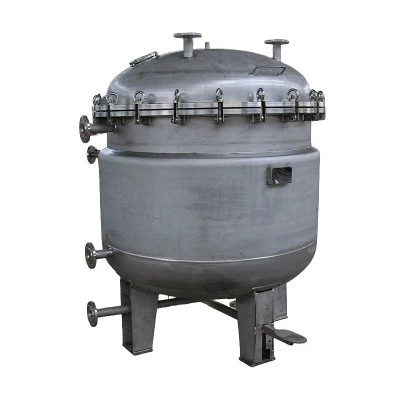
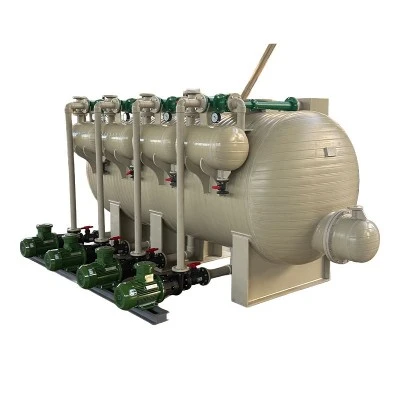
Stainless steel for pharmaceutical and chemical equipment boasts superior environmental performance, primarily due to its long service life, excellent corrosion resistance, relatively low maintenance requirements, and high recyclability. In pharmaceutical production, fine chemical processing, and other chemical manufacturing processes, equipment is exposed to various types of liquids, gases, and chemical media for extended periods, demanding high material stability and corrosion resistance. Stainless steel contains alloying elements such as chromium and nickel, which, under appropriate conditions, form a stable passivation film, slowing down surface corrosion and oxidation, and reducing the likelihood of frequent repairs or replacements due to rust or damage. Compared to some materials with shorter service lives, properly selected and maintained stainless steel equipment can typically be reused for extended periods, reducing material consumption and waste associated with equipment replacement. Furthermore, after proper polishing and passivation, stainless steel surfaces are generally smooth, facilitating cleaning and maintenance, reducing material residue, and minimizing additional processing requirements due to surface contamination during cleaning. In pharmaceutical and fine chemical production, using suitable stainless steel materials to manufacture storage tanks, reactors, pipelines, and heat exchange equipment can also improve operational stability and reduce material losses and environmental pollution risks caused by corrosion leaks. However, the environmental performance of stainless steel is closely related to its specific material composition, processing technology, cleaning methods, and usage environment. Its environmental advantages can only be fully realized under reasonable design and standardized use.
Stainless steel also has good recyclability, making it an important material for achieving resource recycling in medical and chemical equipment. After equipment reaches its service life, stainless steel components can typically enter the metal recycling system through sorting, dismantling, and reprocessing, reducing metal resource waste and dependence on primary mineral resources. Simultaneously, stainless steel possesses certain heat resistance and mechanical stability, which, under applicable operating conditions, can reduce the frequency of component replacement due to material performance degradation, thereby reducing resource consumption from equipment maintenance, transportation, and waste disposal. However, the production and processing of stainless steel still consumes energy and may generate wastewater, exhaust gas, and other industrial emissions. Therefore, its complete environmental friendliness throughout its entire lifecycle cannot be solely attributed to its recyclability. In practical applications, a comprehensive evaluation should be conducted, considering equipment manufacturing energy consumption, cleaning water consumption, chemical cleaning agent usage, and waste disposal methods. For stainless steel equipment that comes into contact with pharmaceuticals, hazardous chemicals, or other special media, the scrapped materials must be cleaned, classified, and treated in compliance with regulations based on the nature of the pollutants; they cannot be directly treated as ordinary scrap metal. Overall, stainless steel for medical and chemical equipment has advantages such as a long service life, recyclability, and the ability to help reduce some pollution risks. In the future, by optimizing material selection, improving manufacturing processes, increasing energy efficiency, and perfecting the recycling and treatment system, its environmental value in the pharmaceutical and chemical equipment fields can be further enhanced.
Send Inquiry