

Characteristics Of Plastics in Environmental Protection Equipment
Aug 01, 2026
Leave a message
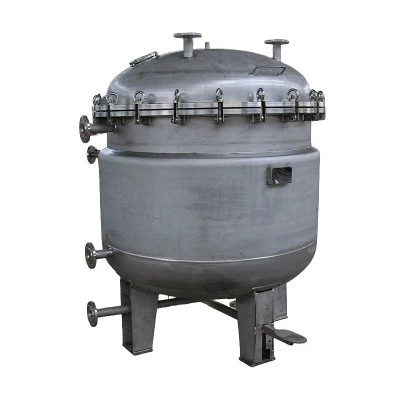
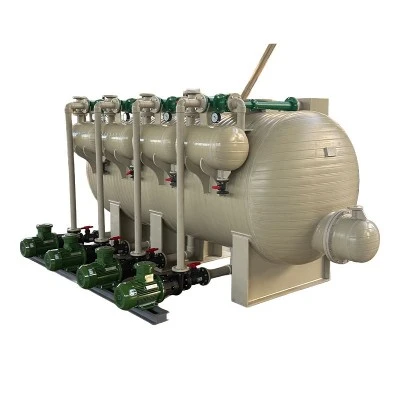
Plastics used in environmental protection equipment are characterized by strong corrosion resistance, light weight, and good processability, making them widely used in waste gas treatment, sewage treatment, wastewater purification, and supporting facilities for environmental engineering projects. Compared to ordinary metal materials, plastics can withstand various acid, alkali, salt, and some chemical media environments, and are less prone to rust and oxidation. With proper material selection and standardized use, the lifespan of equipment can be effectively extended, reducing later maintenance and replacement costs. Furthermore, the low density of plastics results in lighter overall equipment weight, facilitating transportation, handling, and on-site installation, making them particularly suitable for large-scale environmental protection projects, chemical wastewater treatment systems, and equipment structures requiring pipeline connections. In actual production, plastics also possess good molding properties, allowing for the processing of components and equipment housings into different shapes through injection molding, extrusion, and welding processes, tailored to the equipment's structure, dimensions, and usage requirements, meeting the installation and usage needs of various environmental protection projects.
Another important characteristic of plastics used in environmental protection equipment is their good sealing, insulation, and weather resistance, enabling them to meet the requirements of various working environments. For example, in wastewater treatment equipment, exhaust gas purification devices, dosing systems, and pipelines, the appropriate selection of plastic materials can reduce losses caused by liquid leakage and media contact, lowering the risk of corrosion and leakage during equipment operation. Furthermore, the inner walls of plastic equipment are typically smooth, making it less prone to forming noticeable rust layers, which facilitates media transport and daily cleaning, and also reduces dirt adhesion to some extent. However, different types of plastics vary significantly in terms of temperature resistance, pressure resistance, impact resistance, and chemical corrosion resistance; their applicability cannot be determined solely by their material names. For instance, PP is commonly used in some acid and alkali resistant equipment and pipelines, PVC is suitable for drainage and chemical media transport under certain conditions, while PE has good toughness and impact resistance. Therefore, in the design and manufacturing of environmental protection equipment, it is necessary to consider factors such as media composition, operating temperature, pressure conditions, outdoor operating environment, and equipment operating cycle when selecting suitable plastic materials to fully leverage their performance advantages and ensure the stability, safety, and economy of equipment operation.
Send Inquiry