
What is the difference between absorption and adsorption in these systems?
Nov 04, 2026
Leave a message
Hey everyone, I’m Jake, and for the last 8 years, I’ve been working with falling film absorbers and other environmental process equipment—specifically stuff built with PPH (polypropylene homopolymer) because it’s tough, corrosion-resistant, and perfect for industrial setups where harsh chemicals or fumes are a given. A question I get all the time, especially from folks looking to upgrade their air purification or waste gas systems, is the difference between absorption and adsorption. And if you’re dealing with anti-static equipment (which is basically my wheelhouse these days), mixing these two up can lead to big headaches—like inefficient gas scrubbing, downtime, or even safety issues from static buildup. Let’s break this down, and tie it all back to what we do at our shop, because that’s what matters to you.
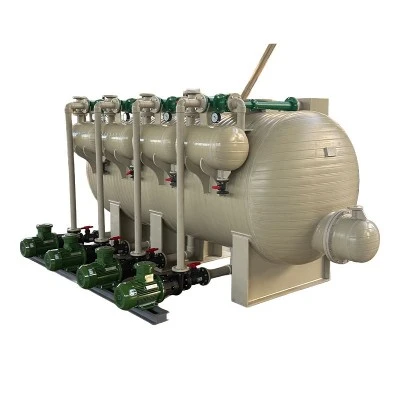
First off, let’s stop treating these like they’re the same thing. I’ve seen new engineers and even seasoned plant managers grab the wrong equipment because they confuse absorption and adsorption. Let’s start with absorption—think of this like dissolving a sugar cube in water. The sugar (that’s the “absorbate,” usually a gas or liquid) actually molecules go inside the water (the “absorbent,” a liquid or solid medium), right? The end result is a homogenous mixture—you can’t pick out the sugar anymore, it’s part of the water itself. For us, this is exactly what an anti-static PPH falling film absorber does. We build those for industrial plants (chemical processing, pharmaceutical manufacturing, metal plating—you name it) where they need to pull pollutants like VOCs or acid gases out of exhaust streams. The anti-static part here is non-negotiable; if your PPH equipment builds up static, when you’re handling flammable fumes, one spark can cause a huge problem. That’s why our anti-static designs use modified PPH that dissipates static instead of letting it build up, so you get the absorption without the safety risk.
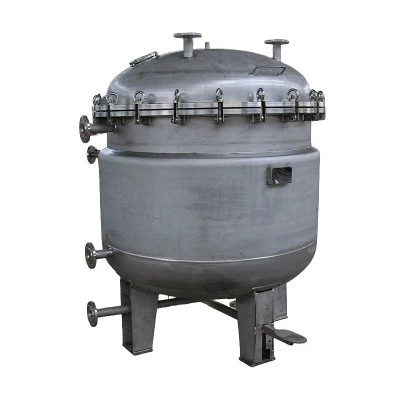
Now adsorption—this is not dissolving, it’s like a magnet picking up a paper clip. The molecules (the “adsorbate,” usually a gas here) stick only to the surface of the medium (the “adsorbent,” which is almost always a porous solid), not inside it. That means once the surface is full, the adsorbent stops working until you regenerate it (heat it up or purge it, depending on the material). The classic example here is activated carbon—everyone knows that stuff smells like camping gear, but it’s perfect for adsorption because its surface area is enormous, like thousands of square meters per gram. We sell a PPH Wound Activated Carbon Adsorber, which is a game-changer because regular carbon adsorbers use metal parts that corrode in acidic or humid environments, but PPH is corrosion-proof. That means it lasts way longer, no rust, no replacement parts every couple years.
Wait, let’s make this super concrete with a real example. Say a metal plating shop is venting exhaust with ammonia and hydrochloric acid fumes. If they use our anti-static PPH falling film absorber, that’s absorption: a water-based solution flows down the inside of the PPH tubes (that’s the “falling film” part—thin, uniform layer, so the exhaust gas touches as much liquid as possible). The ammonia and HCl molecules dissolve into the water film, so when the exhaust hits the stack, it’s clean. No static sparks because we designed the PPH to prevent that, so they don’t have to worry about explosions from flammable fumes. Now, if that same shop had an issue with lingering, trace VOCs (like paint solvents) that are too hard to dissolve in water, they might pair the absorber with our PPH Wound Activated Carbon Adsorber. The carbon’s surface traps those VOC molecules, so they don’t get released into the air. See? That’s using both processes together, which is actually super common in industrial setups.
But here’s where a lot of people mess up—if they need to remove highly soluble, reactive gases (like ammonia, sulfur dioxide), they don’t buy an adsorber. Adsorption is for when you need to capture trace, non-reactive molecules, or when you can’t use a liquid absorbent (like if your exhaust is at too high a temperature, and liquid would evaporate too fast). Another thing: absorption is usually a one-way, non-reversible process (unless you boil the water to get the gas back, but that’s for reuse, not for purification), while adsorption can be reversed way easier—regenerate the carbon, and you can reuse it 100+ times. That’s a cost saver, right?
Let’s talk about our specific gear because I don’t want you to just read a textbook—this is what we build, and how it fits these processes. Our anti-static PPH falling film absorbers are engineered for maximum absorption efficiency. We use PPH because it’s lighter than metal, doesn’t corrode even when we’re using caustic or acidic absorbents, and the anti-static additive means we meet OSHA safety standards for static discharge. You might also see our related purification towers that work in sync with absorbers and adsorbers. For example, our PPH Wound Purification Tower is a packed tower, but wait—wait, no, let’s clarify: the wound purification tower is actually a versatile piece, and we have an anti-static version too. Our Anti Static PPH Wound Purification Tower is designed to handle both absorption and pre-treatment, depending on the packing you use. If you fill it with random packing rings, that’s for absorption; if you layer in activated carbon pellets, that’s for pre-adsorption to grab big particles before the main absorber. That flexibility is why so many plants like to mix and match our gear.
And if you’re dealing with higher flow rates or need better gas distribution, our PPH Wound Vortex-Plate Tower is another option. The vortex plates create a swirling flow that makes sure every inch of the gas stream touches the absorbent, so no waste. We’ve seen clients get 15% better absorption rates with these compared to traditional packed towers, just because the gas-liquid contact is way more efficient. That’s the difference between a system that meets your emissions limits and one that avoids fines from the EPA or local environmental agencies.
Wait, let’s bust a myth right now: a lot of people think PPH is flammable, but our anti-static modification changes that. We add conductive fillers to the PPH that bleed off static, so even if you’re working with explosive gas mixtures, the chance of a spark is practically zero. That’s why our PPH Anti Static Wound Ducts are such a big hit—they connect all these pieces together without building up static in the ductwork, which is a common weak point most suppliers ignore. A lot of plants spend thousands on a good absorber or adsorber, then use cheap plastic ducts that build up static and cause issues. We eliminate that problem entirely.
Let’s go back to the core difference to make sure it sticks, even if you’re skimming. Absorption = molecules dissolve into the medium (liquid or solid) to form a uniform mixture. Adsorption = molecules stick to the surface, no mixing inside. So if you have a system that’s handling bulk, soluble gases, go absorption—falling film absorbers from us, paired with anti-static ducts for safety. If you’re handling trace, hard-to-catch vapors, go adsorption—activated carbon adsorbers with PPH housing so they don’t rust. And often, combining both is the way to go: absorber for main gas removal, adsorber for trace cleanup.
But here’s what I hear all the time from clients who’ve been burned before: “I bought a cheap plastic absorber from a competitor, and it corroded in 6 months, plus static made the whole plant shut down twice.” That’s why we do anti-static PPH right—we test every single unit before it leaves the shop, so you don’t have to deal with that nonsense. We don’t cut corners on materials; the PPH we use is food-grade if you need it, but our industrial grade is built to handle 20+ years of heavy use, even in the harshest environments.
Wait, let’s tie in the links I mentioned earlier, because that’s how you find the gear you need. If you’re first looking for a base purification or absorption tower, check out our PPH Wound Purification Tower—we can swap out packing to make it work for absorption or pre-adsorption, no extra cost. If you need that vortex plate design for better flow, hit up the PPH Wound Vortex-Plate Tower page. For the adsorption side, our PPH Wound Activated Carbon Adsorber is purpose-built, no extra parts needed. And if static is your main concern, the Anti Static PPH Wound Purification Tower and the PPH Anti Static Wound Duct are the go-tos to make the whole system safe.
Now, why does this all matter to you? Let’s say you’re a plant manager getting audited next quarter, and you need to make sure your emissions are below legal limits. If your system mixes up absorption and adsorption, you might be releasing 20% more pollutants than you think, leading to fines. Or if you have a flammable gas stream, ignoring the anti-static part could lead to a safety incident that shuts down production for weeks. We work with clients across manufacturing, chemical processing, and waste treatment, so we’ve seen both sides.
So, to wrap this up: absorption is a bulk, dissolving process where molecules enter the medium; adsorption is a surface-only trapping process. They’re not interchangeable, but they work really well together when designed right. Our team specializes in anti-static PPH equipment, so whether you need a standalone falling film absorber to fix your main gas issue, a combo system with an adsorber for trace cleanup, or just to upgrade your ductwork to eliminate static risks, we’ve got you covered.
If you’re ready to stop guessing and get a system that actually works for your needs, reach out to our team—we’ll walk you through what your specific process needs, no jargon, no pressure. We’ll even help you size the system right so you don’t overspend on gear you don’t need, or underspend and have to replace it in a year. No cheap, flimsy parts, no static surprises, just reliable equipment that meets your emissions and safety goals.
References


- S. A. Parsons, "Absorption and Adsorption Processes for Air Pollution Control," Journal of Environmental Engineering, vol. 140, no. 10, 2014.
- P. K. Bhattacharya, Polypropylene in Environmental Engineering Applications, Elsevier, 2021.
- OSHA Standards for Static Control in Industrial Process Equipment, U.S. Department of Labor, 2022.
- T. C. Frank, "Falling Film Absorber Design for Industrial Gas Treatment," Chemical Engineering Progress, vol. 117, no. 5, 2021.
- A. L. Smith, "Adsorption Kinetics of Activated Carbon for VOC Removal," Journal of Hazardous Materials, vol. 324, 2017.
Send Inquiry