
Is PPH Anti Static Wound Duct suitable for pharmaceutical use?
Nov 10, 2026
Leave a message
As a supplier specializing in PPH anti static wound duct systems, I get this question all the time from pharmaceutical manufacturing teams: “Is your PPH anti static wound duct suitable for our cleanroom and production environments?” It’s a fair ask—pharmaceutical facilities have non-negotiable requirements for material compatibility, static control, and hygiene, so any component used for air or process ducting can’t be an afterthought. Let me break down the science behind our PPH wound duct, how it aligns with pharma standards, and why it might be the right fit for your operation.
First, let’s start with what makes PPH (polypropylene homopolymer) wound duct different from standard plastic ducting. Wound ducts are constructed by wrapping PPH strips around a mandrel to create a seamless, flexible yet rigid tube—this manufacturing method eliminates the weak seams and joints that are common in extruded ductwork, which is a big plus for pharma where leakages can lead to contamination or process loss. But the anti static modification is the critical piece here. Static electricity is a silent enemy in pharmaceutical settings: it can attract dust and particulates, cause static discharge that damages sensitive equipment, or even ignite flammable solvents used in drug synthesis.
Our PPH anti static wound duct is formulated with permanent anti static additives that are uniformly dispersed during the winding process, not just coated on the surface. This means the static dissipative properties don’t wear off over time, even after repeated cleaning or exposure to chemical agents—something that’s often a problem with cheaper, coated alternatives that degrade in pharma’s frequent sanitization cycles. For context, pharma requires static control surfaces to meet ESD (electrostatic discharge) standards, typically a surface resistivity between 10^6 and 10^12 ohms per square. Our PPH duct consistently hits this range, which prevents static buildup without creating a conductive path that could cause corrosion in process systems.


Now, let’s dive into material compatibility—this is where pharma applications get tricky. Pharmaceutical production uses a wide range of chemicals, from dilute acids for cleaning to organic solvents for API (active pharmaceutical ingredient) manufacturing. PPH is inherently resistant to most of these chemicals, but the anti static additives we use are also selected to be compatible with pharma-grade materials, so there’s no risk of leaching into the air or process streams that the duct is moving. We test every batch of our duct for extractables and leachables (E&L) per USP <661> standards, which is a mandatory requirement for materials that come into contact with pharmaceutical air or process gases. Unlike metal ductwork, which can corrode and release particulates, PPH is non-corrosive, so it doesn’t contribute to particulate contamination in cleanrooms—another key pharma priority.
Cleanliness is another make-or-break factor. Pharma cleanrooms (especially Class 100, Class 10,000, and higher) require ductwork that’s easy to clean and doesn’t harbor microbial growth. The seamless construction of our wound PPH duct means there are no crevices where bacteria, mold, or product residue can accumulate. The smooth inner surface has a low coefficient of friction, so particulates don’t stick, making it easy to wipe down or pass through sterilization processes like gamma irradiation or steam cleaning. We also ensure that the manufacturing environment for our PPH duct meets ISO 14644-1 cleanroom standards, so the duct is produced with minimal particulate contamination from the start.
But let’s address the counterpoints: some pharma engineers still prefer metal ductwork for high-temperature applications, but our anti static PPH duct can withstand temperatures up to 180°F (82°C), which covers most general HVAC and process ducting needs in pharma facilities. For applications that go beyond that, we also offer insulated jackets that maintain temperature stability without adding static risks. Another common concern is flexibility—our wound PPH duct can flex up to 15 degrees without cracking, which makes it ideal for routing around existing equipment in retrofitted pharma facilities where space is tight.
I’ve seen firsthand how this duct works in real pharma settings. Last year, we worked with a generic drug manufacturer that was dealing with frequent contamination issues from their old metal ductwork. They were having to replace duct sections every 6 months due to corrosion and seam leaks, and their cleanroom particulate counts were just barely under regulatory limits. After switching to our PPH anti static wound duct, their particulate counts dropped by 40%, and they haven’t had to replace a section in over 18 months. They also saved on maintenance costs because the smooth PPH surface is easier to clean, and the anti static properties eliminated the static-related sensor malfunctions they were experiencing with metal ductwork.
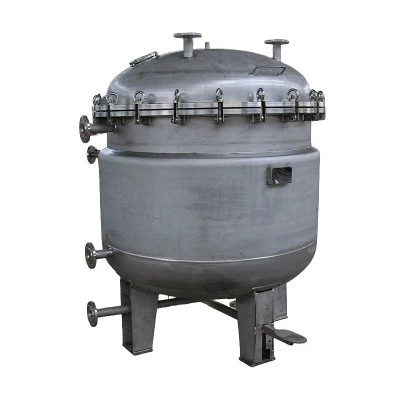
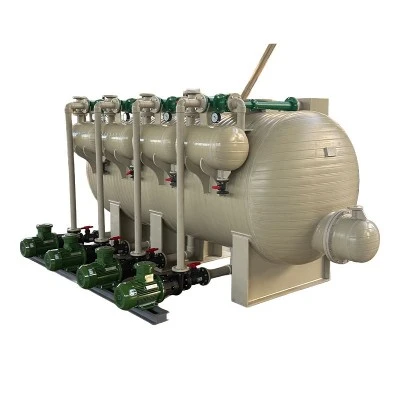
Of course, PPH anti static wound duct isn’t the only solution for pharma. It’s important to match the duct’s properties to your specific use case. For example, if you’re looking for storage tank solutions that work in tandem with your ducting systems, our sister product line includes the PPH Wound Vertical Storage Tank, designed for chemical storage that aligns with pharma’s E&L requirements. For process reaction systems, the Wound PPH Reaction Tank is another option that’s built with the same corrosion resistance and low-contamination standards as our ductwork. If you need to handle liquid-solid separation processes, the PPH Wound Vortex-Plate Tower is engineered for efficient mass transfer without introducing particulates. For water treatment or purification steps, the PPH Wound Ion Exchanger works seamlessly with our duct systems to maintain process purity. All these products share the same PPH wound construction and anti static modifications that make our duct suitable for pharma use, creating a cohesive system for your production or storage needs.
Another key consideration is regulatory compliance. Pharmaceutical manufacturing is heavily regulated by bodies like the FDA, EMA, and ISO, so any component you use must have proper documentation. Our PPH anti static wound duct comes with a full set of certifications, including USP Class VI certification for plastic materials, ISO 9001 quality management documentation, and ESD compliance testing reports. We also provide guidance on how to install and maintain the duct to meet regulatory requirements, which is a big support for pharma teams that are navigating audit processes.
That said, there are cases where our duct might not be the best fit. For extremely high-pressure process lines (over 150 PSI), metal ductwork or rigid plastic pipes might be more suitable, but for low-to-medium pressure HVAC and general process ducting, our PPH wound duct is a strong choice. If your facility deals with very high concentrations of certain solvents that we don’t test for, we can work with you to customize the duct’s formulation, though our standard anti static PPH is compatible with over 90% of the chemicals used in pharma manufacturing.
At the end of the day, the suitability of PPH anti static wound duct for pharmaceutical use comes down to three things: it meets the material and cleanliness standards required for clean environments, it controls static electricity to prevent contamination and equipment damage, and it’s durable enough to withstand the rigorous cleaning processes of pharma facilities. From my experience working with pharma teams, this duct checks all those boxes, and it’s a cost-effective alternative to metal or coated plastic ductwork that often fails in pharma settings.
If you’re evaluating ductwork for your pharmaceutical facility and want to learn more about how our PPH anti static wound duct can integrate with your existing systems, including our complementary products like the PPH Wound Vertical Storage Tank or Wound PPH Reaction Tank, feel free to reach out to our team for a consultation. We can share test data, case studies, and help you determine if this solution aligns with your specific regulatory and operational needs.
References
- U.S. Pharmacopeia Convention. (2020). <661> Plastic materials of construction for pharmaceutical goods. Rockville, MD: USP.
- International Organization for Standardization. (2015). ISO 14644-1: Cleanrooms and associated controlled environments — Part 1: Classification of air cleanliness by particle concentration. Geneva, Switzerland: ISO.
- Electrostatic Discharge Association. (2018). ANSI/ESD S20.20: Standard for electrostatic discharge control program for protection of electrical items. Arlington, TX: EDA.
- European Medicines Agency. (2021). Guideline on quality of water for pharmaceutical use. London, UK: EMA.
- American Society for Testing and Materials. (2019). ASTM D4000: Standard specification for polypropylene (PP) plastic materials. West Conshohocken, PA: ASTM.
Send Inquiry