
Technical Features of PPH Wound Swirl Plate Tower
Sep 11, 2026
Leave a message
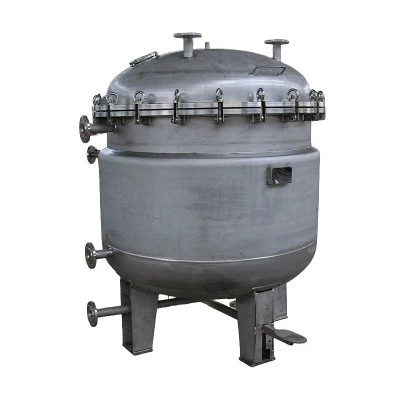
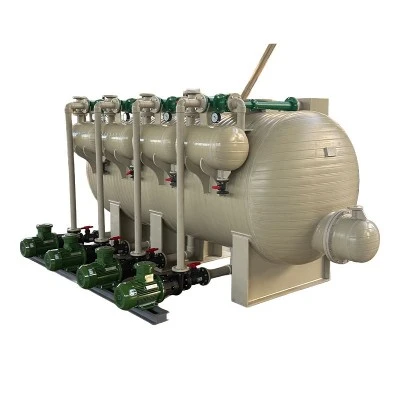
The main technical features of the PPH (Polypropylene Hydraulic Hydrocyclone) spiral plate tower are reflected in its material corrosion resistance, structural strength, gas-liquid mass transfer efficiency, and equipment operational stability. This equipment typically uses polypropylene homopolymer (PPH) as the main material, manufactured through processes such as spiral winding and plate welding. Different tower diameters, heights, and internal structures can be designed according to the waste gas treatment volume and on-site installation conditions. PPH material has good resistance to various acids, alkalis, and some chemical media, reducing corrosion, perforation, and leakage problems in the metal tower body under applicable operating conditions. Simultaneously, PPH material has a low density, resulting in a relatively light overall equipment weight, facilitating transportation, hoisting, and on-site installation, and also reducing the load-bearing requirements of some foundation structures. The spiral winding process allows for adjustments to the tower structure according to equipment dimensions and design requirements. With reasonable control of wall thickness, welding quality, and structural reinforcement, it can meet the mechanical strength and stiffness requirements under certain operating conditions. When the tower body is equipped with swirl plates, spray pipes, packing, or other gas-liquid contact components, the gas flow state can be improved according to actual process requirements, increasing the contact opportunities between waste gas and absorbent liquid. This allows the equipment to be used for the purification of various acidic and alkaline waste gases and absorbable pollutants. Furthermore, PPH equipment offers flexible manufacturing options; internal components and connection interfaces can be customized according to project requirements, facilitating compatibility with ductwork, fans, circulating pumps, and subsequent purification devices.
Another technical feature of the PPH wound swirl plate tower is its flexible gas-liquid contact method. Adjustments to the swirl plate structure, spray flow rate, and internal component arrangement can adapt to different waste gas treatment conditions. After entering the tower, the waste gas rotates and turbulents under the guidance of the swirl plates, contacting the absorbent liquid formed by the spray system. This promotes the entry of some soluble pollutants into the liquid phase through physical absorption or chemical reaction. A swirl structure matched to specific operating conditions helps improve gas-liquid distribution, but the actual purification efficiency still depends on factors such as tower size, gas velocity, liquid-to-gas ratio, absorbent properties, pollutant concentration, and residence time. The treatment effect cannot be judged solely based on the swirl plate structure. Regarding equipment operation, PPH towers typically have good resistance to moisture corrosion. Routine maintenance mainly focuses on nozzles, circulation pipelines, swirl plates, demisters, and equipment connections. Regular cleaning and inspection can reduce blockages, scale buildup, and leaks. It is important to note that PPH materials are not suitable for all high-temperature or strongly oxidizing media environments. When the equipment is subjected to long-term pressure, outdoor exposure, or significant mechanical loads, the limitations of material performance and structural design must be fully considered. Therefore, in practical engineering applications, the selection should be based on the waste gas composition, temperature, pressure, treatment volume, and emission requirements. Through reasonable structural design, operational parameter control, and regular maintenance, the stable waste gas purification effect of the PPH wound swirl plate tower can be ensured.
Send Inquiry