
Application areas of PPH spiral plate tower
Sep 10, 2026
Leave a message
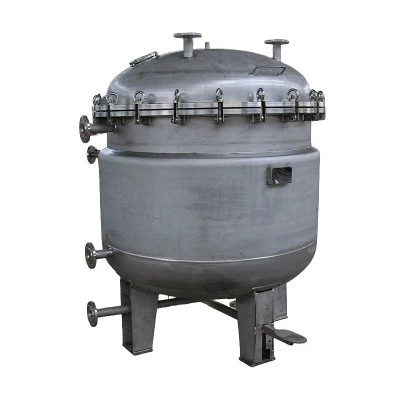
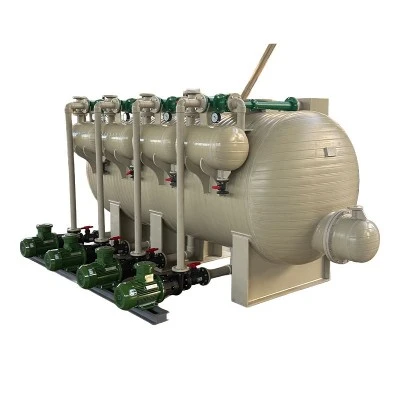
PPH spiral cyclone separators are mainly used in industrial waste gas treatment, chemical gas absorption, and corrosive gas purification, and have wide applications in chemical, pharmaceutical, electronics, electroplating, and environmental engineering. This equipment uses polypropylene homopolymer (PPH) as the main manufacturing material, featuring good acid and alkali resistance, light weight, compact structure, and convenient installation and maintenance, making it suitable for treating various corrosive waste gases. In chemical production processes, some processes generate waste gases containing acidic or alkaline components, such as hydrogen chloride, ammonia, and some sulfur-containing gases. The appropriate absorbent can be selected based on the specific properties of the pollutants. Through the airflow rotation and gas-liquid contact process formed by the cyclone plates, the opportunity for pollutants to transfer to the liquid phase is increased. In the pharmaceutical and fine chemical industries, this equipment can be used for waste gas collection and purification in some production workshops, reducing the concentration of absorbable pollutants in process exhaust. In industries such as electroplating, metal surface treatment, and electronics manufacturing, acid mist or other corrosive waste gases may be generated during production processes. PPH spiral cyclone separators can be used in conjunction with spray absorption systems for treatment. It is important to note that different pollutants vary in solubility, reactivity, and treatment difficulty. Whether the equipment can achieve the expected purification effect requires design considerations based on the waste gas concentration, treatment air volume, type of absorbent, and relevant emission requirements. Treatment capacity cannot be judged solely based on the tower material or swirl structure.
PPH wound swirl plate towers can also be used in wastewater treatment plants, laboratory exhaust systems, industrial cleaning facilities, and other locations with corrosive gases. During wastewater treatment, some facilities may generate odorous gases containing hydrogen sulfide, ammonia, etc. Appropriate absorbents and spray systems can be configured according to the gas composition to treat pollutants that can be removed through absorption or chemical reaction. In laboratories and chemical-using areas, this equipment can be used as part of a localized waste gas purification system, in conjunction with gas collection hoods, ducts, fans, and subsequent treatment devices to reduce the impact of waste gas on the working environment and surrounding areas. In some industrial environmental protection projects, swirl plate towers can also be combined with filtration devices, demisters, and other purification equipment to form multi-stage treatment systems to adapt to application scenarios with complex waste gas composition and high treatment requirements. Because PPH materials have certain corrosion resistance advantages, this type of equipment can reduce maintenance problems caused by corrosion of some metal equipment when treating acid and alkaline waste gases. However, its temperature resistance, mechanical strength, and long-term operating performance are still limited by specific operating conditions. For waste gases containing high concentrations of organic solvents, poorly soluble pollutants, flammable and explosive components, or complex gas mixtures, a process assessment is required first, and adsorption, oxidation, or other treatment technologies may be necessary. In actual equipment selection, the properties of the waste gas, the volume of air to be treated, the operating temperature, the equipment installation space, the management of circulating liquid, and emission standards should be comprehensively considered to ensure that the equipment is reasonably matched with the entire waste gas treatment system.
Send Inquiry