
Environmental Protection Equipment Plastic Selection Guide
Sep 18, 2026
Leave a message
The selection of plastics for environmental protection equipment should be based on a comprehensive assessment of the equipment's intended use, the media it will come into contact with, its operating temperature, mechanical strength, and the environment in which it will be used. It should not be based solely on material price or appearance. Currently, common plastic materials used in environmental protection equipment include PP, PPH, PE, PVC, and PVDF. Different materials vary in corrosion resistance, temperature resistance, impact resistance, and processing methods. For example, PP and PPH are commonly used in waste gas purification towers, acid and alkali storage tanks, and some industrial pipelines; PE has good toughness and impact resistance, making it suitable for some storage and transportation equipment and pipelines; PVC is commonly used in drainage pipes and ventilation systems that meet its temperature resistance and media application range; PVDF is suitable for some applications requiring high chemical corrosion resistance. Before purchasing, it is essential to clarify the actual chemical media, concentration, and temperature range that the equipment will come into contact with, as well as whether there are pressure, negative pressure, or particle erosion conditions. The appropriate type should then be determined based on the material's technical parameters. Especially in chemical, pharmaceutical, and industrial waste gas treatment environments, certain media may cause swelling, embrittlement, or other adverse effects on plastics under high temperature or high concentration conditions. Therefore, suppliers need to provide relevant material performance data, and media compatibility assessments should be conducted when necessary. Simultaneously, attention should be paid to the equipment's structural design, plate thickness, welding methods, and load-bearing capacity to ensure the equipment meets actual operational requirements and avoids deformation, cracking, or leakage due to unreasonable material selection.
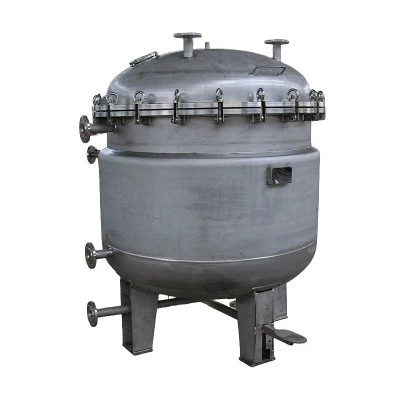
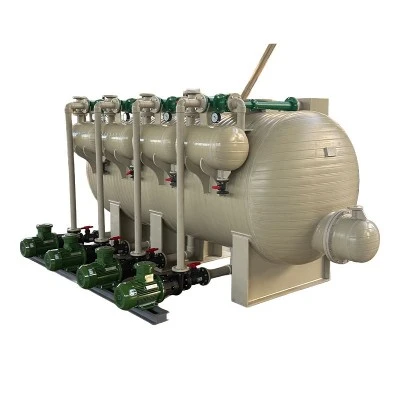
After determining the material type, the manufacturing quality, specifications, supplier's technical capabilities, and after-sales service of the plastic used in the environmental protection equipment should be carefully examined. When purchasing plastic purification towers, PPH winding equipment, storage tanks, or ductwork, the product dimensions, wall thickness, interface type, flange specifications, and installation requirements should be verified, and the equipment surface should be inspected for defects such as cracks, bubbles, obvious scratches, and deformation. For equipment manufactured using welding processes, the welding process control, weld inspection, and factory inspection should be understood. For large equipment, the transportation dimensions, on-site hoisting conditions, foundation requirements, and maintenance space should be confirmed in advance to avoid installation difficulties after delivery. If purchasing conductive plastic ductwork or other products with special performance requirements, the supplier should be required to provide testing data consistent with the design requirements; performance should not be judged solely based on the product name. Furthermore, price comparisons should be made comprehensively, taking into account material grade, actual thickness, manufacturing process, accessories, and after-sales service, rather than solely focusing on the highest price. For environmental protection projects operating long-term, it is also essential to understand the equipment's maintenance methods, replacement procedures for vulnerable parts, and warranty coverage, and verify the completeness of material certificates, product inspection reports, and other documentation. By conducting thorough preliminary operating condition analysis, material comparison, product acceptance, and supplier evaluation, the quality of plastics selected for environmental protection equipment can be improved, reducing subsequent maintenance and replacement costs and ensuring stable operation of the equipment under suitable working conditions.
Send Inquiry