
Analysis of Precautions for the Use of Stainless Steel in Medical and Chemical Equipment
Sep 17, 2026
Leave a message
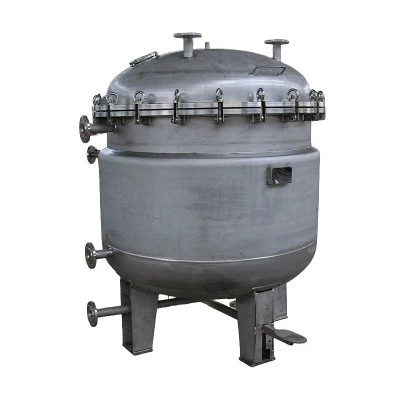
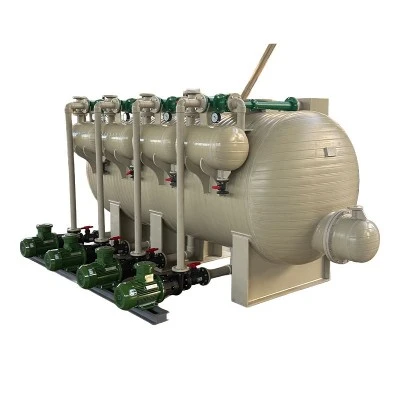
When using stainless steel in pharmaceutical and chemical equipment, it is crucial to consider the compatibility of the material with the production medium, the operating temperature of the equipment, and pressure control. While common 304 and 316L stainless steels offer good corrosion resistance and mechanical strength, they are not suitable for all chemical environments, especially when in contact with high-concentration acid and alkali solutions, chlorine-containing media, or other highly corrosive materials. The suitability of the material must be determined based on the composition, concentration, temperature, and contact time of the medium. Before putting the equipment into use, the product technical documents should be carefully reviewed to ensure that the operating temperature, operating pressure, and other operating parameters meet the design requirements. Prolonged operation under excessive temperature or pressure can lead to equipment deformation, weld damage, or seal failure. During daily production, critical components such as tanks, pipes, flanges, welded joints, and valves should be regularly inspected for rust, pitting, cracks, leaks, and abnormal deformation. For equipment such as reaction vessels, mixing tanks, and storage tanks, if heating, cooling, or pressure regulation is required, the rate of temperature and pressure change should be controlled according to the operating procedures to prevent excessive local temperature differences or rapid pressure fluctuations from affecting equipment stability. Meanwhile, equipment gaskets, fasteners, and instruments should also be included in daily inspections. Any signs of aging, loosening, or damage should be addressed promptly to prevent minor issues from affecting the normal operation of the entire production system.
The use of stainless steel in pharmaceutical and chemical equipment also requires emphasis on cleaning, surface protection, and standardized maintenance. This is especially important for the internal surfaces of equipment that directly contact pharmaceutical solutions, chemical raw materials, and process materials; these surfaces need to be kept clean to minimize the impact of residues on subsequent production. After each production run, cleaning should be performed promptly according to the material properties and equipment cleaning procedures. Cleaning agents compatible with stainless steel should be selected, avoiding the use of inappropriate strong corrosive agents or tools that can easily scratch the surface, such as steel wool, to prevent damage to the surface passivation film. For equipment that has undergone polishing, pickling, or passivation treatment, unnecessary mechanical damage should be avoided, and attention should be paid to areas prone to material residue, such as welds, corners, drain outlets, and pipe joints. When equipment needs to be shut down for maintenance, shutdown, depressurization, evacuation, cleaning, and safety isolation should be completed according to operating procedures first. Work should only commence after confirming that there is no residual pressure or hazardous media inside. When welding, grinding, or component replacement is involved, appropriate processing techniques for stainless steel should be used. After maintenance, necessary cleaning and quality checks should be conducted. For pressure equipment and equipment requiring periodic inspection by law, inspections should be carried out in accordance with applicable regulations, technical specifications, and manufacturer requirements. Equipment should not be judged to be safe for operation solely based on its appearance. By managing media effectively, standardizing operations, conducting daily cleaning, and performing regular maintenance, the risk of corrosion and damage to stainless steel equipment can be reduced, its service life extended, and the safety and stability of pharmaceutical and chemical production processes ensured.
Send Inquiry