


Anti Static PPH Wound Purification Tower
- Antistatic resistance value of 10³ Ω for applications where static discharge is a concern
- Combines antistatic and flame-retardant properties to reduce the risk of static spark ignition
- Wear resistance stated to be more than four times that of steel pipes
- Operating temperature range: -20°C to +90°C
- Uses the same purification principle as a standard PPH wound purification tower
|
Parameter |
Details |
|
Antistatic performance |
Antistatic resistance value of 10³ Ω; designed to reduce static charge accumulation on highly insulating plastic surfaces and lower the associated ignition risk |
|
Mechanical properties |
High strength and toughness, good resistance to bending fatigue, and wear resistance stated to be more than four times that of steel pipes. Lightweight construction allows easy cutting and connection. |
|
Chemical stability |
Resistant to acids, alkalis, and many corrosive chemicals. Compatibility should be confirmed for concentrated sulfuric acid, concentrated nitric acid, and other strong solvents. |
|
Safety and environmental properties |
Combines antistatic and flame-retardant properties. The material is described as non-toxic, odorless, and recyclable. Normal operating temperature range: -20°C to +90°C. Applicable environmental requirements should be confirmed for the intended use. |
|
Purification principle |
The same principle as a standard purification tower: exhaust gas contacts the absorption liquid across the packing surface, allowing neutralization to take place. |
The main difference between this model and a standard purification tower is its combination of antistatic and flame-retardant properties. PPH raw material is combined with antistatic material and formed into a tower body through spiral winding. The specified antistatic resistance value is 10³ Ω, helping reduce static charge accumulation and the risk of spark discharge in environments where flammable gases may be present.
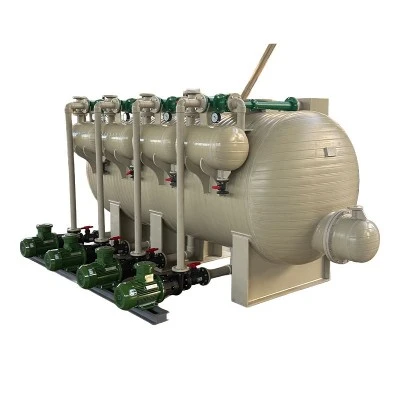
The Anti static PPH Wound Purification Tower uses the same purification process as a standard packed tower. Exhaust gas contacts the absorption liquid over the packing surface, allowing neutralization to take place. The equipment is available in vertical countercurrent and horizontal cross-flow configurations. Before discharge, the treated gas passes through a mist eliminator at the tower outlet to remove entrained liquid droplets.
The material offers high strength and toughness, good resistance to bending fatigue, and wear resistance stated to be more than four times that of steel pipes. Its lightweight construction also makes cutting and connection easier. PPH provides resistance to many acids, alkalis, and corrosive chemicals, but compatibility must be checked for concentrated sulfuric acid, concentrated nitric acid, and other aggressive solvents.
With a stated operating temperature range of -20°C to +90°C, the tower is intended for waste gas purification applications where antistatic performance is required. Potential application industries include pharmaceuticals, chemical processing, printing and dyeing, electronics, electroplating, and new energy battery manufacturing. Suitability for hazardous areas depends on the complete equipment design, verified material properties, and applicable safety requirements.
The company has experience supplying waste gas purification equipment for new energy battery plants and electronics facilities. Each Anti static PPH Wound Purification Tower is configured according to the project requirements.
Before production, the exhaust gas composition and flow rate are confirmed, together with the required antistatic performance and applicable explosion-protection requirements. The absorption liquid type and concentration, tower configuration, and packing specifications are then determined. PPH raw materials and antistatic additives are inspected before spiral winding. Assembly, performance testing, and commissioning follow according to the agreed specifications.
Quality checks include antistatic resistance testing, purification efficiency testing, system pressure drop testing, and flame-retardant performance testing. Third-party inspection is accepted. The warranty period is one year.
Standard lead time: 2 months
Customized lead time: 3 months
Trade term: EXW
Packaging: UV-resistant wrapping film, with the equipment secured on pallets
Accepted payment currencies: USD and EUR
Minimum order amount: RMB 50,000
Standard orders: 30% advance payment, with the balance due before delivery
Customized orders: 50% advance payment, with the balance due before delivery
Please provide the exhaust gas composition, gas flow rate, applicable explosion-protection requirements, and required antistatic performance. This information will help determine the appropriate purification tower configuration. Drawings or prototypes are also welcome for reference.
Hot Tags: anti static pph wound purification tower, China anti static pph wound purification tower manufacturers, suppliers, factory, Anti Static PPH Falling Film Absorber, Corrosion Resistant PPH Cyclone Scrubber Unit, Industrial PPH Winding Reactor Tank, Industrial Static Conductive PPH Scrubber Unit, PPH Wound Vertical Storage Tank, Wound PPH Reaction Tank
You Might Also Like


Send Inquiry