

The thickness of stainless steel for medical and chemical equipment
Sep 07, 2026
Leave a message
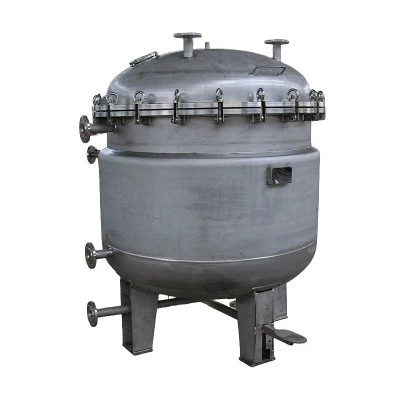
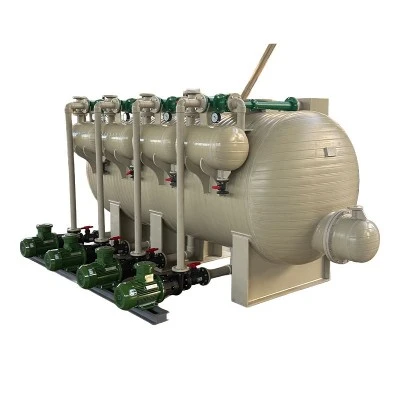
The thickness of stainless steel in pharmaceutical and chemical equipment is a crucial parameter in the design and manufacturing process, directly affecting the equipment's load-bearing capacity, structural stability, corrosion resistance, and service life. In pharmaceutical production, fine chemicals, and chemical processing, stainless steel is commonly used to manufacture equipment such as reaction vessels, storage tanks, mixing tanks, heat exchangers, and process piping. Since the operating conditions of different equipment vary significantly, the thickness selection needs to be comprehensively determined based on the equipment type, material grade, operating pressure, design temperature, and media characteristics. Generally, common stainless steel plate thicknesses include 1.0 mm, 1.5 mm, 2.0 mm, 3.0 mm, 4.0 mm, 5.0 mm, and thicker specifications. For some non-pressure-bearing equipment, such as shells, covers, and auxiliary structures, thinner plates can be used, while storage tanks, reaction equipment, and cylinders bearing certain loads require appropriate thicknesses based on structural dimensions and design requirements. For 304 and 316L stainless steel equipment, the material grade primarily affects corrosion resistance and some mechanical properties, and cannot solely determine the plate thickness. The larger the diameter of the equipment and the higher the hydrostatic or internal pressure it withstands, the greater the need to emphasize the strength and rigidity of the cylinder. If the equipment also needs to withstand stresses from stirring vibrations, external loads, or temperature changes, these should also be considered in the design. Furthermore, when medical and chemical equipment is in long-term contact with corrosive media, a necessary corrosion allowance must be considered based on the actual corrosive environment. However, for specific sanitary-grade equipment, simply increasing the thickness cannot replace appropriate material selection and surface treatment.
Determining the stainless steel thickness of medical and chemical equipment during the design and manufacturing process also requires consideration of welding processes, equipment forming methods, manufacturing tolerances, and post-use requirements. For cylindrical storage tanks and reactors, strength calculations are typically performed based on the equipment diameter, design pressure, design temperature, allowable material stress, and relevant design specifications. The final thickness is then determined in conjunction with the head type, weld joint coefficient, and corrosion allowance. For jacketed equipment, the thicknesses of the inner cylinder and jacket should be calculated separately, as the pressure, temperature, and load conditions they withstand may differ. For the inner walls of equipment that come into direct contact with pharmaceuticals or process materials, in addition to meeting structural strength requirements, surface polishing, weld treatment, and cleaning requirements must also be considered to avoid affecting cleaning effectiveness due to local deformation or processing defects. After manufacturing, the actual thickness of the sheet metal, weld quality, and overall dimensions of the equipment should be checked according to the technical documents to ensure that the product meets design requirements. It should be noted that there is no uniform thickness standard for stainless steel equipment applicable to all operating conditions. Even for the same material, different volumes, diameters, pressure ratings, and operating environments may require different design thicknesses. Therefore, when selecting the thickness, it should be based on equipment drawings, design calculation results, and applicable standards, and should not be determined solely by experience. For pressure vessels, pressure vessels, and other equipment with special safety requirements, calculations and verifications should be performed by qualified design and manufacturing units to ensure the safety and reliability of equipment operation.
Send Inquiry