

The main functions of plastics in environmental protection equipment
Sep 04, 2026
Leave a message
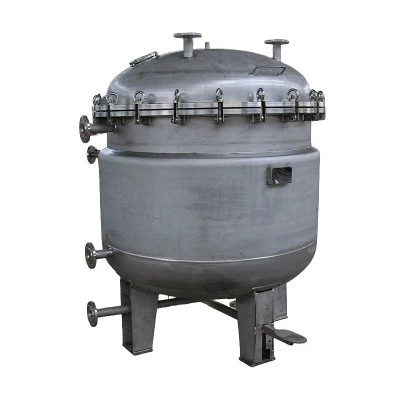
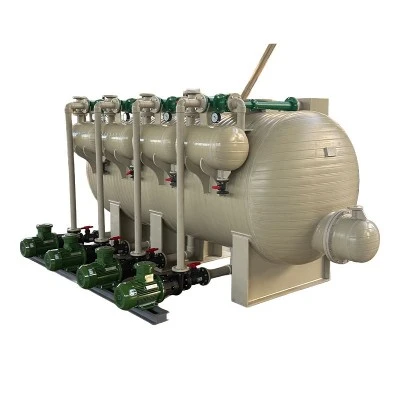
The main functions of plastics in environmental protection equipment are reflected in the transportation of corrosive media, equipment protection, pollutant treatment, and system sealing. They play an important role in industrial wastewater treatment, exhaust gas purification, chemical storage, and supporting facilities for environmental protection projects. Since environmental protection equipment frequently comes into contact with acidic and alkaline solutions, saline wastewater, and some corrosive gases, using suitable plastic materials can reduce the risk of corrosion and minimize leaks, damage, and maintenance problems caused by rust. For example, plastics such as PP, PVC, and PE are commonly used to manufacture pipelines, storage tanks, ventilation ducts, spray devices, and equipment housings, meeting the needs of media transportation, storage, and equipment protection according to different operating conditions. In exhaust gas treatment systems, plastic materials can be used to manufacture scrubbing towers, absorption towers, and related connecting components, working in conjunction with spraying, absorption, and purification processes to treat pollutants. In wastewater treatment systems, plastic pipes, filter components, and dosing devices can handle wastewater transportation, chemical dosing, and process connections. Furthermore, plastics are lightweight, easy to mold, and have good insulation properties, meeting the manufacturing requirements of different equipment structures and reducing installation difficulty with proper design. It's important to note that plastics themselves do not possess universally applicable pollutant purification capabilities. Their primary function is as structural materials or functional components in equipment, working in conjunction with appropriate treatment processes to accomplish environmental governance tasks.
Plastics in environmental protection equipment also offer functions such as auxiliary sealing, reduced maintenance costs, and improved equipment operational flexibility. During equipment manufacturing, plastics can be processed into various shapes through injection molding, extrusion, thermoforming, and welding, suitable for pipe interfaces, valve fittings, tank linings, and various connection structures. Some plastic materials possess good wear resistance, toughness, and impact resistance, meeting long-term use requirements under certain conditions; their surfaces are typically smooth, facilitating cleaning and reducing dirt adhesion and daily maintenance workload. In working environments with chemical corrosion risks, the appropriate selection of plastic materials can also reduce corrosion wear on metal components, extending the maintenance cycle of related equipment. Furthermore, the processing methods for plastic materials are relatively flexible, allowing for the design of equipment components of different specifications and structures according to the actual needs of environmental projects, facilitating equipment installation, maintenance, and subsequent modifications. However, plastics have certain limitations in terms of high-temperature resistance, pressure resistance, long-term stress resistance, and UV aging resistance; therefore, material selection should not be based solely on cost or ease of processing. In practical applications, materials that meet the requirements should be selected based on the composition of the treated medium, operating temperature, pressure conditions, and equipment operating cycle. In addition, sealing checks, regular maintenance, and aging tests should be carried out to fully utilize the function of plastics in environmental protection equipment and ensure the stable and safe operation of the environmental protection system.
Send Inquiry